
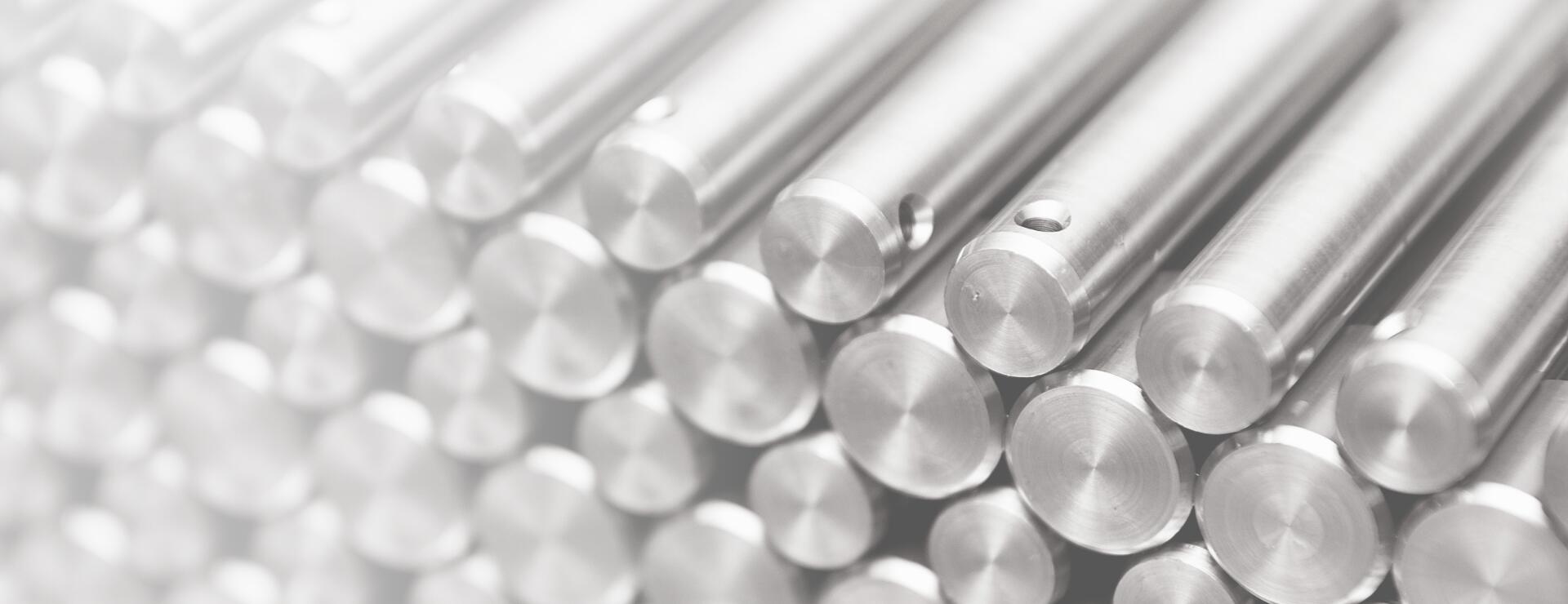
Guide to Machined Parts: Optimizing Design and Production

In our daily lives, we are surrounded by objects made of metal and plastic, from the engine in our car to the sleek casing of our smartphone. While some of these are molded or printed, many of the most critical, high-precision components are created through a process called "machining."
For engineers, product designers, and procurement managers, understanding how these parts are made is essential. A well-designed part can save thousands of dollars in production costs, while a poorly designed one can lead to serious manufacturing challenges and increased production costs. This guide explores the world of machined parts, breaking down the definitions, processes, and design principles that ensure high quality and efficiency.
What Is a Machined Part?
A machined part is any component that has been shaped by removing material from a larger block or sheet using machine tools. Think of it like sculpting: you start with a solid block (the raw material) and chip away everything that isn't the part.
Today, most machining is performed using CNC machines, where tool paths are controlled by computer programs rather than manual operation. Therefore, in modern industry, “machining” and “CNC machining” are often used interchangeably.
Broadly speaking, machining falls into two main categories:
1. Cutting Processes (Subtractive Manufacturing)
This involves cutting material away. It includes:
- Milling: A spinning tool cuts a stationary block.
- Turning: The block spins while a stationary tool cuts it.
- Drilling: Making holes.
- Grinding: Using an abrasive wheel to smooth surfaces.
2. Deformation Processes
This involves changing the shape of the material without removing it.
- Shearing: Cutting sheet metal like scissors.
- Bending: Using a press brake to fold metal sheets into angles.
How It Differs from Other Methods
Machining is distinct from 3D printing (additive manufacturing), which builds layers up from nothing, and casting, which pours liquid metal into a mold. Machining is generally preferred when high strength, tight tolerances (accuracy), and excellent surface finishes are required.
The Manufacturing Process for CNC Machining Parts
Creating a high-quality part is a journey that moves from a digital idea to a physical reality. It typically follows these steps:
- Design (CAD): An engineer creates a 3D model of the part using Computer-Aided Design software.
- Programming (CAM): A programmer translates that 3D model into "G-code"—the language the machine understands. This code tells the machine where to move, how fast to spin, and how deep to cut.
- Setup: A machinist loads the raw material (stock) into the machine and installs the correct cutting tools (drills, end mills, etc.).
- Machining: The CNC machine runs the program, automatically cutting the part.
- Post-Processing: The part is removed, cleaned, deburred (smoothing sharp edges), and inspected.
Advantages of Machined Parts
Why do industries choose machining over cheaper methods like molding?
- High Precision and Consistency: CNC machines are accurate, capable of holding tolerances within micrometers (thinner than a human hair). Once programmed, the machine can make batches of identical parts without deviation.
- Complex Geometries: Modern 5-axis machines can cut extremely complex shapes, such as turbine blades or organic medical implants, which would be impractical and time-consuming to produce using manual methods.
- Material Diversity: Machining can work with almost any solid material, including rigid plastics, soft aluminum, hard stainless steel, and even titanium.
- Efficient Production: Automation speeds up the cycle. Machines can operate for extended periods with minimal human supervision.
- Flexible Customization: There are no expensive molds to build. To change a design, you simply update the computer code, making it perfect for custom or low-volume orders.
Design Principles for Machined Parts
A great part starts with a great design. To get the best quality at the lowest cost, designers must understand how the manufacturing process works. Here are six key principles for optimizing your design.
1. Tool Selection Planning
Choosing the right tool is the foundation of stability. The goal is to minimize vibration and "burrs" (rough edges). A designer should consider the material's hardness. For example, cutting hard steel requires different tools than cutting soft aluminum. High-quality tools ensure consistency, reducing the number of defective parts (scrap rate).
2. Feed Rate and Cutting Parameters
Speed matters. The "feed rate" is how fast the tool moves through the material.
- Matching the Tool: The feed rate must match the number of cutting edges (flutes) on the tool. Moving too fast breaks the tool; moving too slow causes it to rub and burn.
- Spindle Speed and Depth: Setting the correct RPM (revolutions per minute) and cutting depth extends tool life. Proper settings reduce stress on the machine, ensuring the process remains stable and predictable.
3. Programming and Cutting Strategy
Efficiency is engineered, not accidental.
- Path Planning: A good programmer designs a tool path that avoids "air cutting" (moving without cutting).
- Sequence: The order of operations matters. It is better to finish all heavy cuts before doing delicate finishing cuts to avoid deformation.
- Data-Driven: Experienced shops use data from previous runs to refine their programs, constantly shaving seconds off the cycle time while improving accuracy.
4. Structural Design and Deformation Control
Metal moves when you cut it. Cutting releases internal stresses, which can cause thin walls to warp.
- Avoid Thin Walls: Designing parts with extremely thin walls makes them prone to vibration and bending.
- Symmetry: Symmetrical designs are generally more stable during machining.
5. Surface Quality and Post-Processing
Don't leave the finish to chance.
- Define Roughness: The designer must specify the "Ra" (surface roughness) value on the drawing.
- Plan for Coatings: If the part will be anodized or plated later, the machinist must be informed. These coatings add thickness, so the part must be machined slightly smaller to compensate.
6. Continuous Improvement (Process Improvement)
Manufacturing is a science. Leading shops don't just rely on "gut feeling." They regularly review their programs and parameters, using scientific methods to track efficiency and quality gains. This mindset of continuous improvement ensures that long-term production remains competitive.
Applications of Machined Parts
You will find these components in every major industry.
- Aerospace: Critical engine components, landing gear parts, and structural frames where reliability and safety requirements are extremely high.
- Automotive: Transmission gears, engine blocks, and suspension systems.
- Medical: Surgical instruments like scalpels and forceps, as well as titanium bone implants.
- Industrial & Consumer Electronics: Precision molds for making plastic parts and sleek metal casings for laptops and phones.
- Plumbing & Valves: High-strength fittings and valve bodies that must withstand high pressure.
- AI Equipment Components: such as servo control modules, AI servers, vision systems, and robotic arms, include heat dissipation bases, aluminum heat sinks, spacers, standoffs, sensor housings, camera mounts, connector nuts, shafts, sleeves, gear shafts, and couplings. Additionally, camera mounts, pneumatic fittings, and aluminum positioning pillars in AI inspection systems are typical CNC-machined components.
- Drone Industry (UAV)
The unmanned aerial vehicle (drone) sector relies heavily on machining for lightweight, high-strength parts. Key components include:
- Shaft Components: Precision axles that transfer power to the propellers.
- Motor Components: Housings and rotors for the brushless motors that drive the drone.
- Bearing Housings & Spacers: These hold the spinning parts securely in place to minimize vibration.
- Fasteners & Connectors: Custom screws and bolts that need to be lighter than standard hardware.
- Gimbal Components: The ultra-precise parts, such as the gimbal shaft, that hold the camera steady.
- Frame & Structural Parts: This includes damping standoffs (to absorb vibration), aluminum standoffs (both hex and round), central frames, arm connectors, landing gear parts, and quick-release knobs for easy assembly.
- Electronic Cooling: Custom metal heatsinks for the ESC (Electronic Speed Controller) and power modules to prevent overheating during flight.
How to Choose the Right Machined Part Supplier
Selecting a manufacturing partner is as important as the design itself. Look for these seven qualities:
- Quality & Precision: Can they consistently hit the tight tolerances you need? Ask for inspection reports.
- Certifications: Do they have ISO certifications? This proves they follow international quality standards.
- After-Sales Service: Will they help you if a problem arises after delivery?
- Capacity & Stability: Can they handle your volume? Do they deliver on time?
- Customization: Are they willing to work with you on custom, non-standard designs?
- Cost-Effectiveness: Do not just look for the lowest price. Look for transparency. A supplier who offers a fair, competitive price with clear breakdowns is a better long-term partner than one who cuts corners to be cheap.
- Reputation: Look for a supplier with proven experience in your specific industry.
Conclusion
Machined parts are the building blocks of modern technology. By combining precise design with efficient manufacturing strategies, companies can produce components that are safer, stronger, and more cost-effective. Whether you are building a surgical robot or a high-performance drone, the quality of your parts defines the quality of your product.
Finding a partner who understands both the engineering and the business side of machining is critical. At Ming Cheng, we specialize in high-precision CNC machining services that meet the rigorous demands of industries ranging from medical to aerospace. We pride ourselves on our ability to optimize designs for production, ensuring you receive high-quality CNC-machined parts.
Founded in 1985, Ming Cheng is a professional CNC machining manufacturer in Taiwan. To see how our capabilities align with your project needs, or to discuss CNC custom parts manufacturing, please feel free to contact us for consultation.